


Surfing in Bali is special. Warm water, consistent swell, and world-class waves make places like Uluwatu, Padang Padang, Bingin, and Impossibles bucket list destinations for surfers from around the world. For many people living in Bali, surfing is not just a holiday activity. It is a routine. Dawn patrols, midday sessions between work calls, and sunset surfs before dinner are part of daily life.
But surfing regularly, especially over reef breaks, puts very real demands on the body. Paddling volume, powerful pop-ups, long holds underwater, and repetitive rotation can quietly build stress in muscles and joints. Over time, that stress turns into stiffness, soreness, or injury.
This guide breaks down the most common surfing injuries seen around Uluwatu and across Bali, why they happen, and how to surf more consistently by looking after the body between sessions.
Recovery Support for Surfers in Uluwatu
Living or surfing regularly in Uluwatu means the ocean is always calling. Staying in the water consistently requires more than wave selection and board choice. It requires a body that moves well, recovers quickly, and adapts to load.
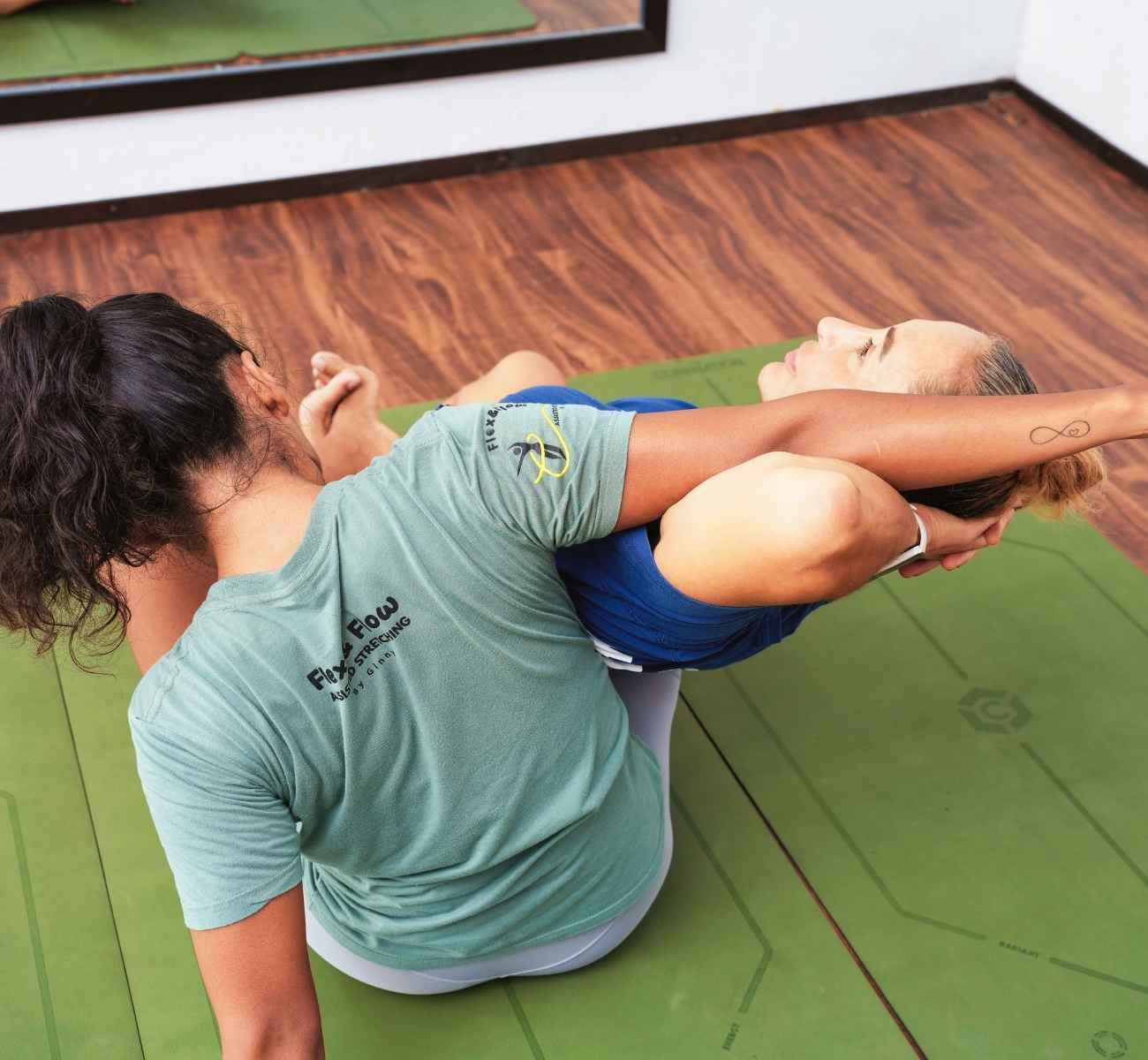
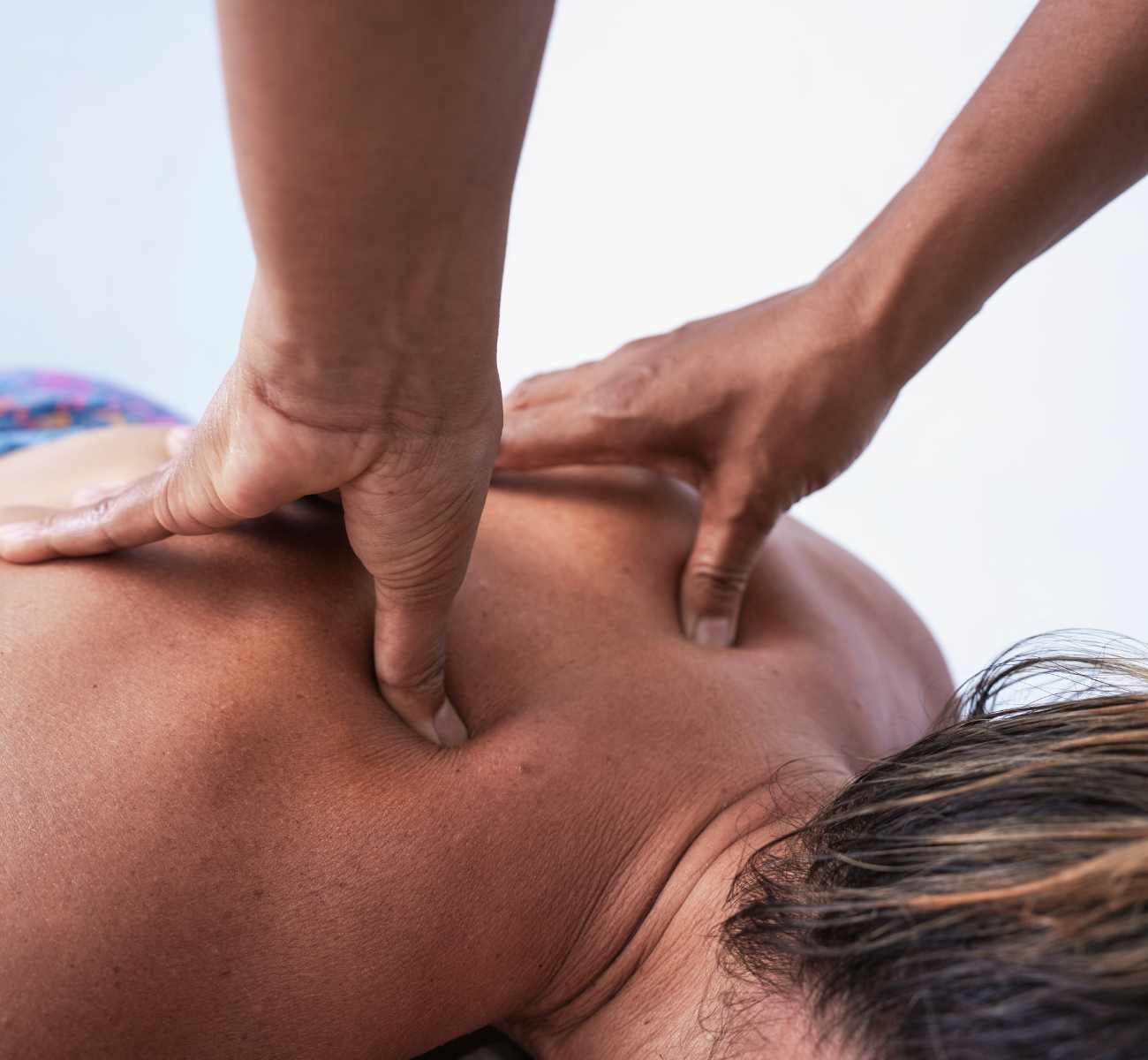
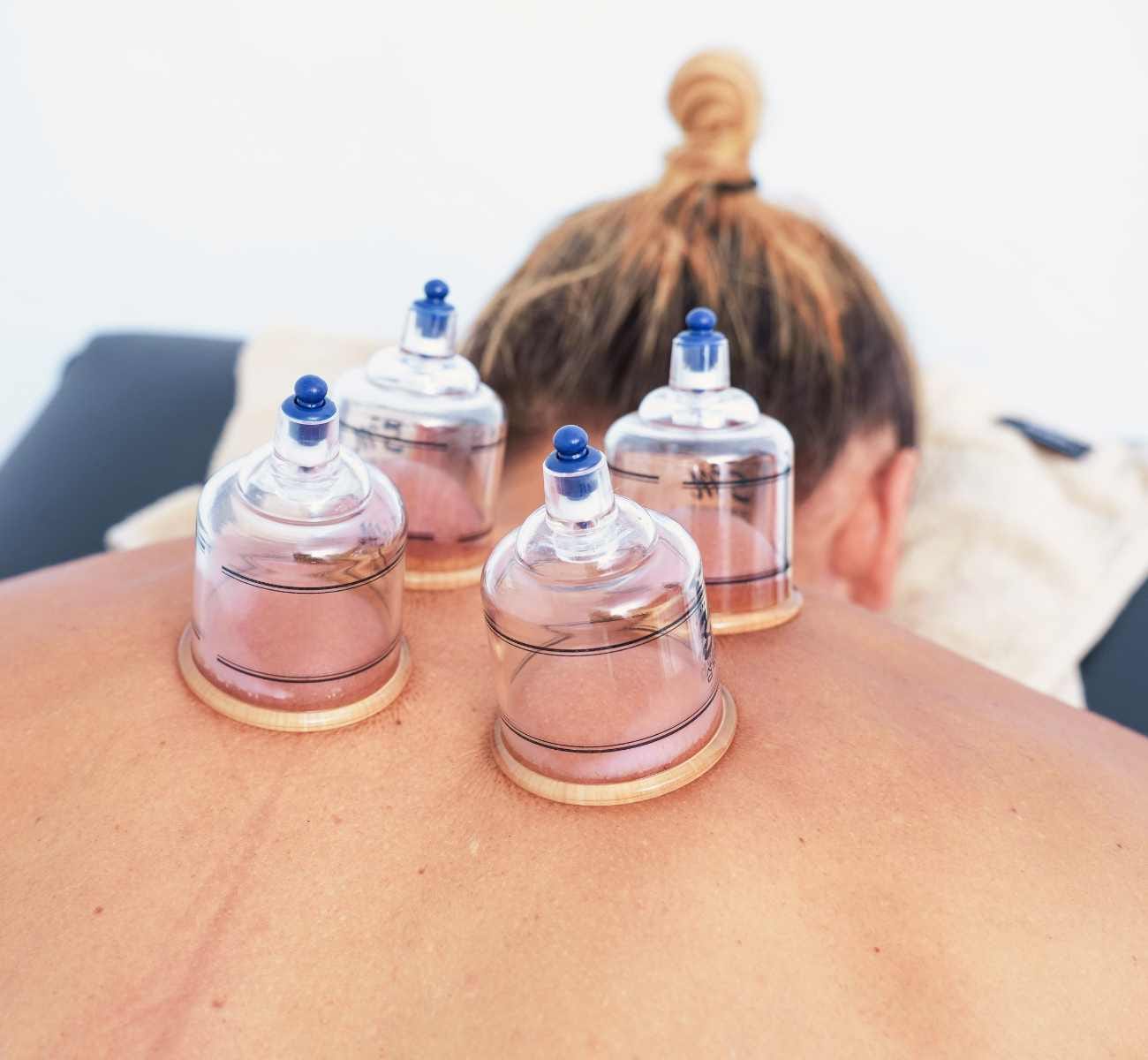
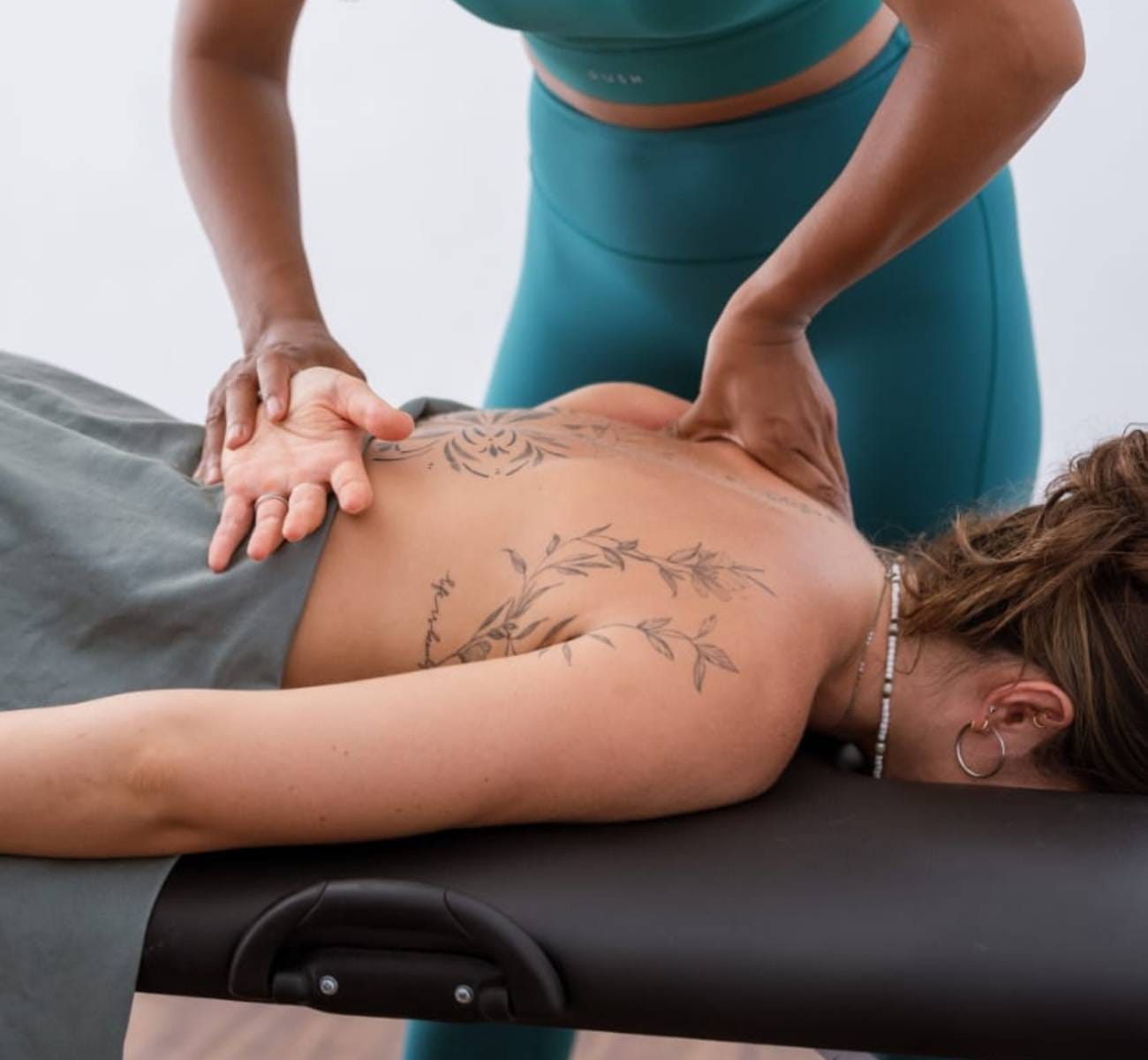
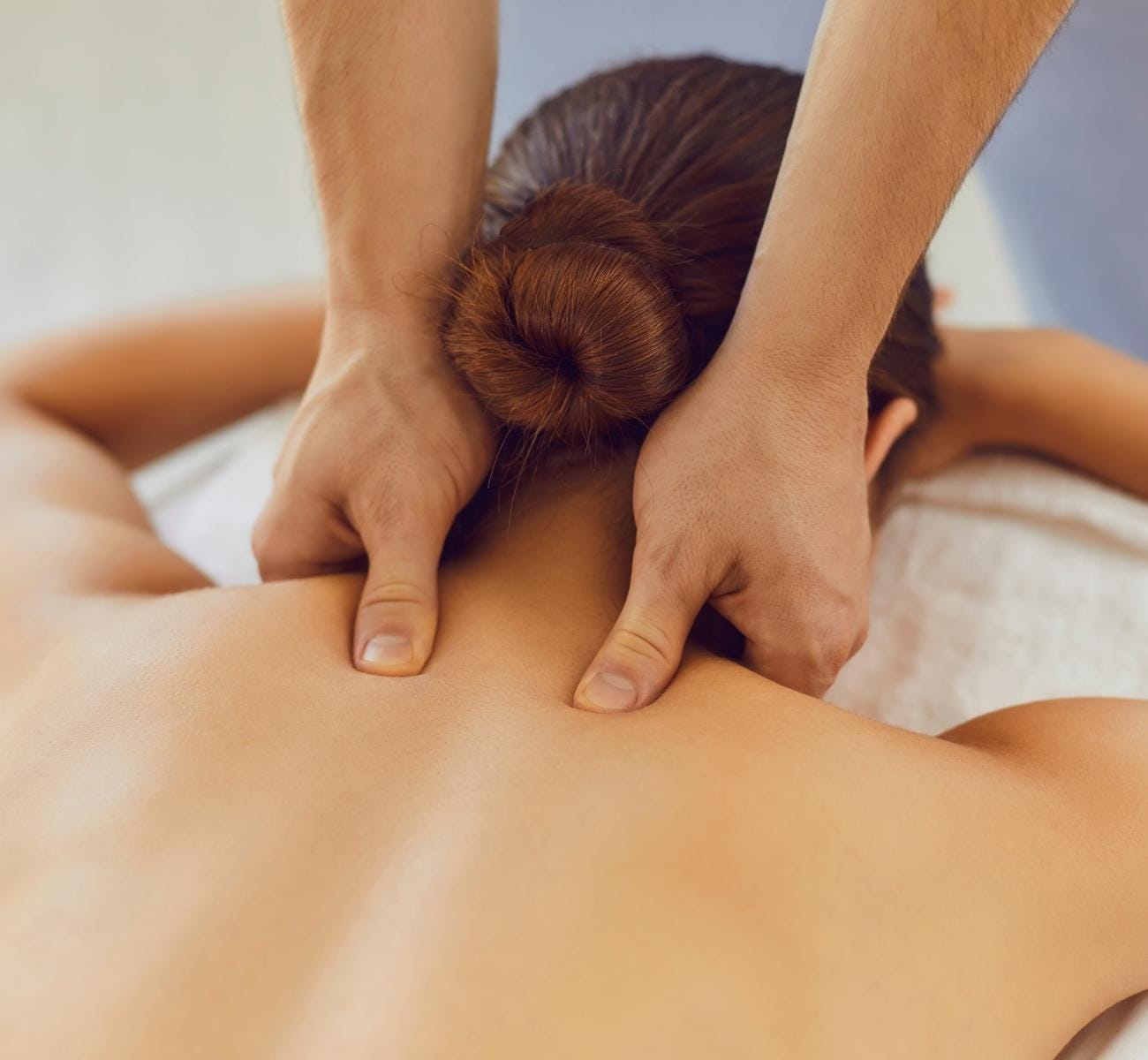
At Flex & Flow, recovery is approached as part of the surfing lifestyle. Assisted stretching helps restore range of motion after long paddles and heavy sessions, while sports massage supports muscle recovery, circulation, and tissue health. Together, these approaches help manage the physical demands of surfing without pulling surfers out of the water.
Rather than waiting for pain to force time off, regular recovery work supports consistency, confidence, and longevity in the lineup.
Shoulder Pain From Paddling
Shoulder pain is the most common complaint among surfers in Bali. Long paddles, repeated duck dives, and extended time lying prone on the board load the shoulders far more than most people realise.
Why it happens so often
Surf sessions in Bali are rarely short. Strong currents, long paddle outs, and crowded lineups mean extra paddling even on good days. Many surfers also spend long hours at a desk, which already limits shoulder mobility before getting in the water.
How to reduce the risk
- Warm up your shoulders before paddling out, especially for early sessions
- Improve thoracic spine mobility so shoulders are not doing all the work
- Build shoulder strength through full ranges of motion
Recovery focus
When shoulders lose range of motion, paddling efficiency drops and irritation increases. Restoring mobility and reducing muscle tension helps paddling feel smoother and less effortful.
Lower Back Tightness and Pain
Lower back tightness is extremely common, particularly after longer sessions or multiple days in a row.
Why surfers feel it in Bali
Extended time arching on the board compresses the lower spine. Add scooter riding, laptop work, and limited recovery time, and the lower back rarely gets a break.
How to reduce the risk
- Improve hip mobility so the lower back is not overworking
- Activate glutes and core before paddling out
- Limit back-to-back long sessions when stiffness is building
Recovery focus
Surfing back pain is rarely just about the back. Addressing tight hips, hip flexors, and surrounding muscles often brings the biggest relief.
Neck Stiffness and Headaches
Neck stiffness is common after sessions, especially in windy conditions or heavy water.
Why it shows up
Constantly rotating the head to scan the lineup, combined with paddling posture, creates tension through the neck and upper back. Long drives to and from breaks add to the load.
How to reduce the risk
- Maintain mobility through the upper spine
- Avoid paddling with excessive neck extension
- Balance time in the water with recovery for the neck and shoulders
Recovery focus
Reducing upper body tension helps ease neck stiffness and improve overall comfort in the water.
Hip and Groin Strains
Explosive pop-ups and wide stances place sudden load through the hips and groin.
Why it happens
Surfing over reef breaks often demands fast reactions. Tight hips reduce movement options and force compensation through the groin or lower back.
How to reduce the risk
- Maintain hip mobility consistently
- Practise controlled pop-up mechanics
- Avoid cold starts without movement prep
Recovery focus
Flexible hips allow smoother pop-ups and better balance, reducing strain across the chain.
Reef Related Injuries and Impact Trauma
Cuts, bruises, and impact injuries are part of surfing over shallow reefs.
Why this is part of Bali surfing
Many of Bali’s best waves break over coral or rock. Falls are often shallow, fast, and unforgiving.
How to reduce the risk
- Know the tide and reef depth before paddling out
- Surf within limits, especially when tired
- Allow the body time to recover after heavy sessions
Recovery focus
Managing muscle soreness and impact-related tightness helps keep movement confident and controlled in the water.
Surfing Often in Bali’s Climate
Heat and humidity speed up fatigue and slow recovery if hydration and rest are ignored. Multiple sessions per week feel manageable until stiffness quietly builds.
Habits that help
- Hydrate throughout the day, not just after surfing
- Balance heavy surf days with lighter movement days
- Treat recovery as part of the surf routine, not an afterthought
Final Thoughts
Surfing in Bali is a privilege, especially around Uluwatu. Consistent swell and warm water make it easy to surf often, sometimes every day. The surfers who last longest are not always the ones chasing the biggest sets. They are the ones who look after how their bodies move between sessions.
With better preparation, smarter recovery, and attention to mobility and tissue health, most common surfing injuries are avoidable. Stay loose, recover well, and keep paddling out.
References:
https://www.healthline.com/health/fitness/thoracic-mobility-exercises